Upgrade or Replace? How to Decide on Your Tube Bending Machine
Component Overhaul: When Small Fixes Are Enough
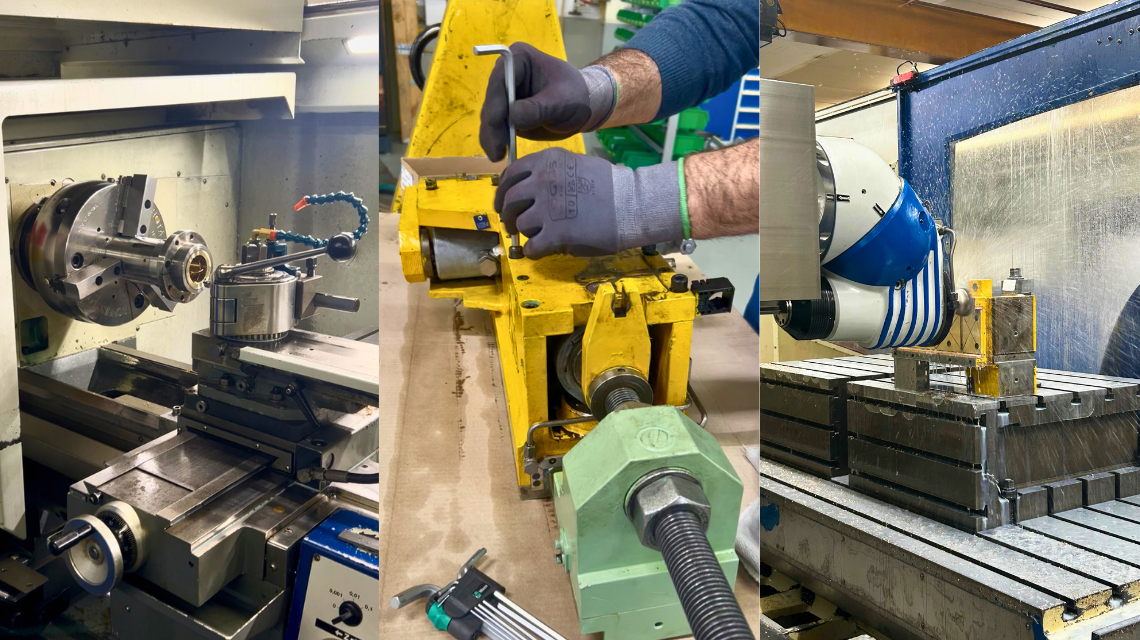
A full overhaul isn’t always necessary. In many cases, replacing individual components is sufficient to restore your machine to a reliable state quickly.
However, the overall condition matters. Older control systems (especially pre-2000 models) can become a risk because spare parts are hard to find. In such cases, a complete overhaul—including a control system upgrade—is often the more sustainable solution.
What a General Overhaul Offers
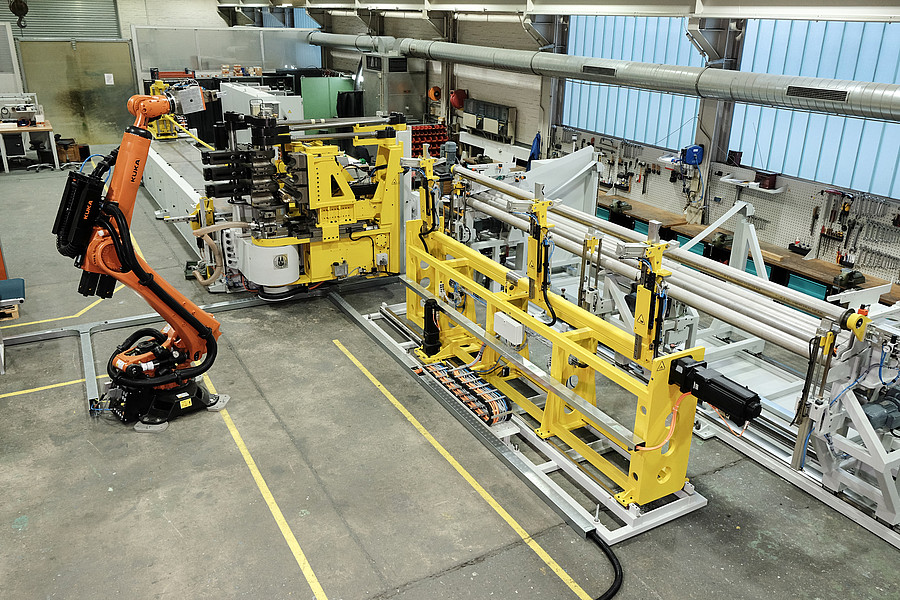
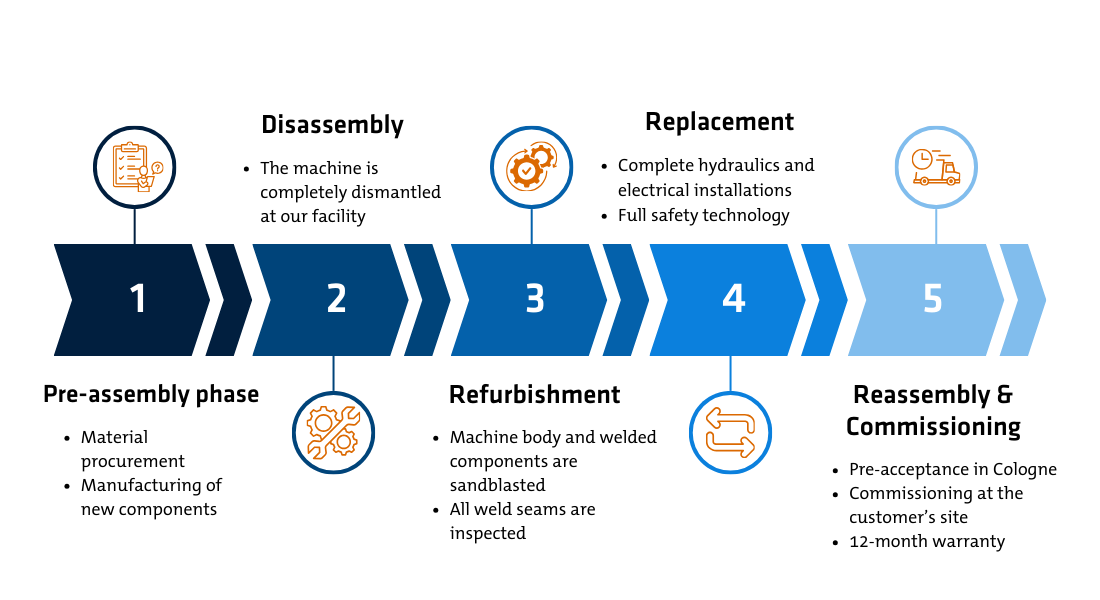
A general overhaul creates a technically as-new machine based on the existing machine body. The system is completely dismantled, cleaned, structurally inspected, and then rebuilt with new hydraulics, modern electrical installation, up-to-date CE-compliant safety technology, and a state-of-the-art control system. While the entire process takes around six months, customers only need to do without their machine for approximately eight weeks.
For many companies, this is an attractive option when the basic machine configuration still fits the production profile and the mechanical condition is solid. In addition, a retrofit reduces acquisition costs and often shortens delivery times.
Refurbished Machines as a Cost-Effective Alternative
In some cases, Schwarze-Robitec offers immediately available refurbished machines for sale. This can be particularly interesting for companies when the machine configuration perfectly matches performance requirements and the purchase decision is highly budget-sensitive.
Because expensive components such as the machine body and welded parts are reused, a refurbished machine is about one-third cheaper compared to a new machine. Nevertheless, the customer receives a product that is as good as new and meets the latest technical standards.
Maintenance: Usage Determines Wear
When Does a New Machine Make Sense?
A new machine becomes relevant when production requirements have fundamentally changed, the old platform can no longer be upgraded, or a simple “upgrade” no longer delivers the required performance.
Think of it like a car: A new engine won’t help if the transmission fails soon after—or if you suddenly need a van instead of a station wagon.
Our Conclusion: We’ll Help You Find the Best Option
Whether it’s a component overhaul, a complete refurbishment, or a new purchase—the right solution always depends on the machine, production requirements, and budget.
Our team is here to advise you and find the best option for your production together.